
Keep Your Loved Ones Safe at Home
Practical guidance for fall prevention, home modifications, and emergency planning for caregivers
Falls Don't Have to Happen
Most falls are preventable with thoughtful planning and smart home modifications
Home Modifications
Simple changes make a real difference. Better lighting, secure furniture, and grab bars where they're needed most. We'll walk you through every room.
Risk Assessment
Identify what's actually dangerous in your home. Not everything that looks risky is, and some hidden hazards catch people off guard.
Emergency Planning
Know what to do if something happens. Clear communication plans, emergency contacts, and response procedures keep everyone ready.
Caregiver Support
You're managing a lot. Resources here are designed for people aged 40-60 juggling work, family, and aging parent care.
The Reality of Senior Falls
Understanding the numbers helps you understand why prevention matters
Fatal falls among seniors each year in the US
Seniors treated in ERs for fall injuries annually
Annual medical costs from fall-related injuries
Of falls can be prevented with proper modifications
Real Experiences from Caregivers
What people are learning from fall prevention planning
"My mom was stubborn about grab bars until she almost slipped. After we installed them and fixed the lighting, she's way more confident. And honestly, I'm not calling her as often worried sick."
"I thought the bathroom modifications would make Dad's place look like a medical facility. Turns out you can make it safe without it looking clinical. He hasn't had a close call in eight months."
"We created an emergency plan and honestly it was awkward at first. But my parents felt more secure knowing what'd happen if something went wrong. That peace of mind is worth it."
Featured Safety Guides
Detailed, actionable resources for specific rooms and situations
Bathroom Safety: Where Most Falls Happen
Bathrooms are slippery and unpredictable. This guide covers grab bar placement, shower modifications, and flooring changes that actually prevent falls.
Read Guide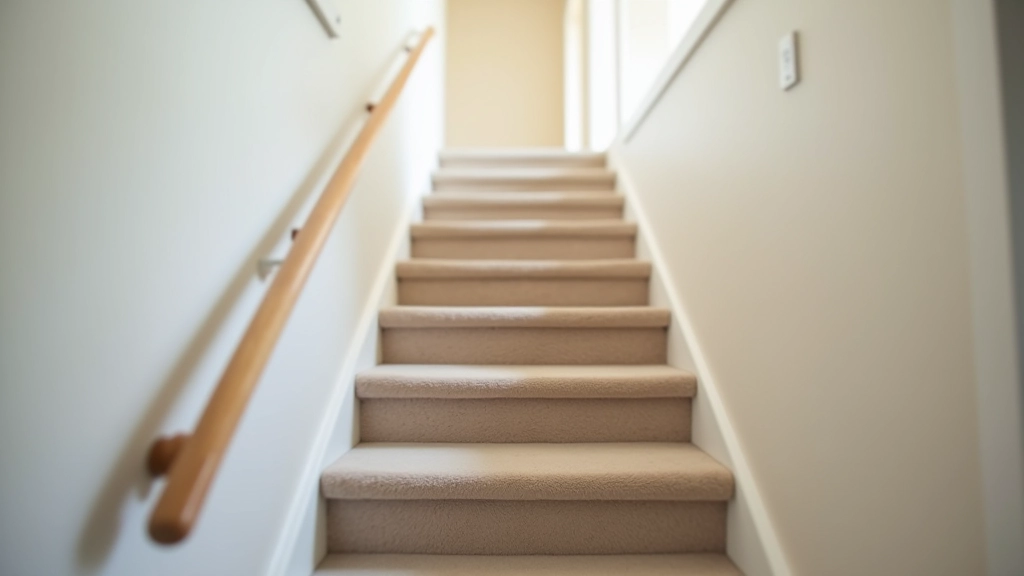
Stair Safety: Handrails and Lighting Matter
Stairs don't have to be scary. Learn about handrail requirements, lighting improvements, and step modifications that reduce stair-related injuries significantly.
Read Guide
Home Modification Checklist: Room by Room
This isn't about making a home feel institutional. It's about thoughtful changes — better lighting, secure furniture, clear paths — that work with your lifestyle.
Read GuideCommon Questions About Fall Prevention
Practical answers for caregivers managing home safety
How do I know if grab bars are really necessary?
If your loved one uses the bathroom independently, grab bars aren't optional — they're essential. Wet surfaces are genuinely dangerous. The right placement near the toilet and in the shower makes a measurable difference. Most people resist them at first, but once they're installed, they wonder why they waited so long.
What's the best way to talk about safety changes without making them feel dependent?
Frame it as independence, not limitation. "This grab bar means you can shower safely without calling me" works better than "We need to make your bathroom safer." Focus on what they'll be able to do independently, not what you're worried about.
How much does a home modification typically cost?
It varies significantly. A few grab bars might cost $200-500. Full bathroom modifications could run $2,000-5,000. Lighting improvements are often under $300. We recommend starting with the highest-risk areas and expanding from there. Some modifications qualify for insurance coverage or tax deductions.
What should be in an emergency plan?
Emergency contact information, medical history, current medications, preferred hospital, and a clear procedure if someone falls. Keep copies in multiple places — the kitchen, bedroom, and with your loved one's phone. Review it annually and update it when anything changes.
Can I do these modifications myself or do I need a professional?
Grab bars and basic improvements you can handle if you're comfortable with installation. Electrical work, flooring changes, and structural modifications really do need professionals. The investment in getting it right is worth avoiding safety issues down the road.
How often should I reassess the home for safety issues?
At least annually. More often if there's been a change in mobility, new medications, or health changes. After a fall, reassess immediately. Things change — what's safe now might not be safe in six months.
What You'll Find Here
Everything a caregiver needs to plan, implement, and maintain home safety
Bathroom Assessment Tools
Checklists and guides for evaluating bathroom risks, identifying where grab bars belong, and planning shower modifications. Includes specific product recommendations.
Stair Safety Solutions
Handrail installation guides, lighting requirements, and step safety tips. Plus alternatives if stairs become too risky and you need to discuss different arrangements.
Room-by-Room Checklists
Bedroom, kitchen, living room, entryways — specific hazards and fixes for each space. Printable checklists you can work through at your own pace.
Emergency Planning Templates
Emergency contact forms, medical history sheets, fall response procedures. Templates you can customize and share with family members and healthcare providers.
Caregiver Guides
How to talk about safety changes, managing multiple aging parents, dealing with resistance, and taking care of yourself while managing everyone else's safety.
Product & Service Directory
Vetted recommendations for grab bars, lighting, flooring, and home modification professionals. Not sponsored — just honest assessments of what actually works.
Ready to Make Your Home Safer?
Start with one room or one guide. You don't have to do everything at once. Small changes create real safety improvements. We're here to help you figure out what matters most.
Get Started Today