Stair Safety: Handrails and Lighting Matter
Stairs don't have to be scary. Learn about handrail requirements, lighting improvements, and step modifications that reduce stair-related injuries significantly.
Why Stairs Matter More Than You Think
Falls on stairs account for over 24,000 emergency room visits every year for adults over 65. That's not just a number — it's someone's parent, neighbor, or friend. But here's the good news: most stair-related accidents are preventable with proper planning and maintenance.
We're not talking about expensive renovations or making your home look clinical. You don't need to turn a beautiful staircase into an institutional ramp. It's about smart choices — the right handrails, better lighting, and subtle modifications that actually work. Let's walk through what matters most.
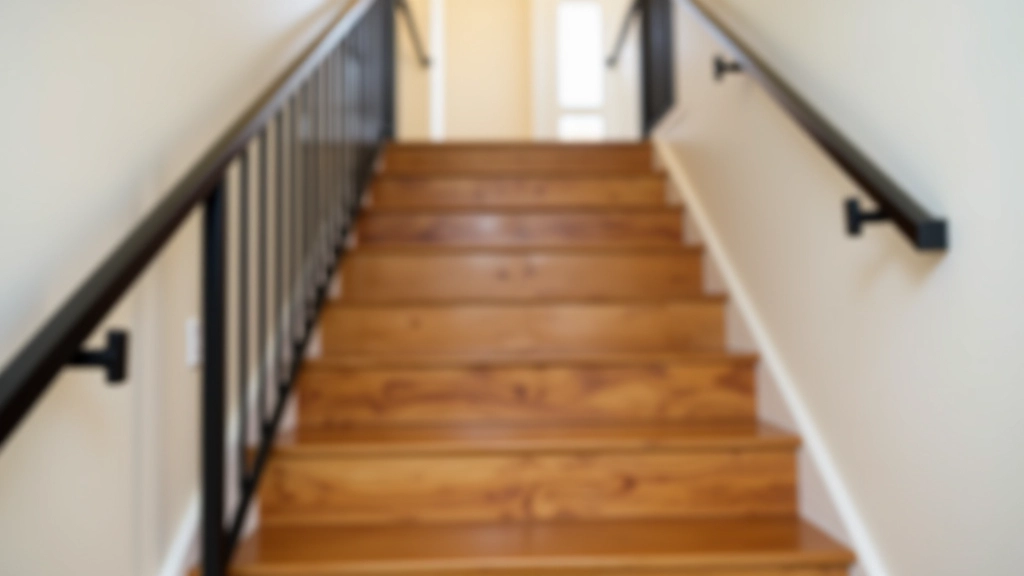
Handrails: Your First Line of Defense
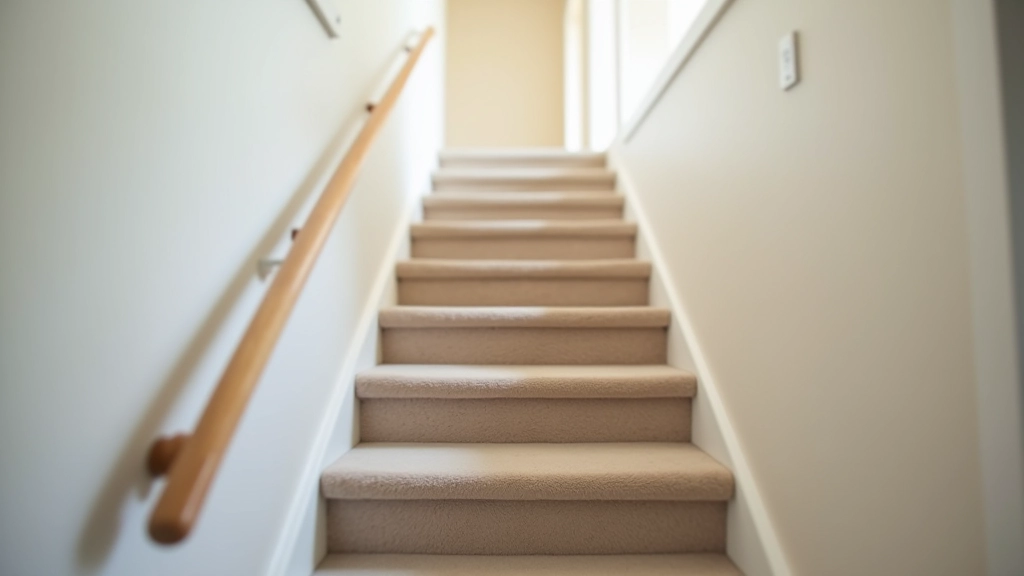
A proper handrail isn't optional — it's essential. The thing is, not all handrails are created equal. You'll want something that's actually graspable, installed at the right height, and mounted securely enough to support your full weight if you stumble.
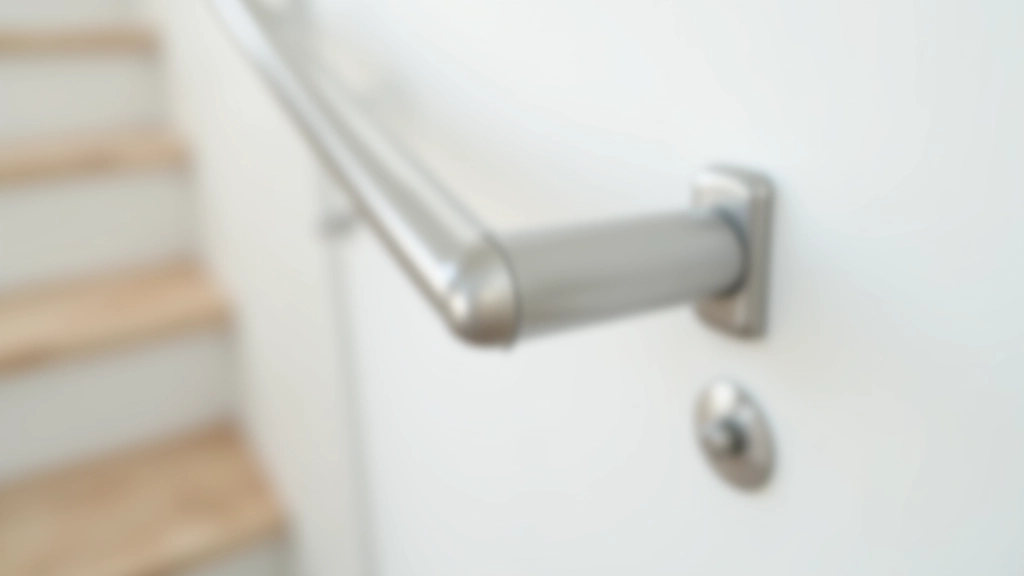
The ideal handrail diameter is between 1.25 and 2 inches. This matters because it affects your grip. Too thin and it's uncomfortable for longer holds. Too thick and people with arthritis or limited hand strength struggle. The standard mounting height is 34 to 38 inches from the stair nosing — basically where your hand naturally falls when you walk.
Both sides of the staircase are best, but if you can only install one, make it the side people naturally descend on. Material choices matter too. Stainless steel is durable and doesn't get slippery. Wood with proper finish offers warmth while staying functional. Avoid anything too smooth or glossy — you need grip, not just aesthetics.
Installation Reality Check: Professional installation runs $400-$800 for a typical staircase. DIY is possible but requires proper anchoring into studs or structural elements. Half-measures here create false security — a wobbly rail is worse than no rail.
Lighting: Visibility Changes Everything
You'd be surprised how many falls happen because someone simply can't see the steps clearly. Poor lighting creates shadows and depth perception issues. A single overhead fixture at the top of the stairs? That's not enough. You need consistent, even lighting throughout the entire staircase.
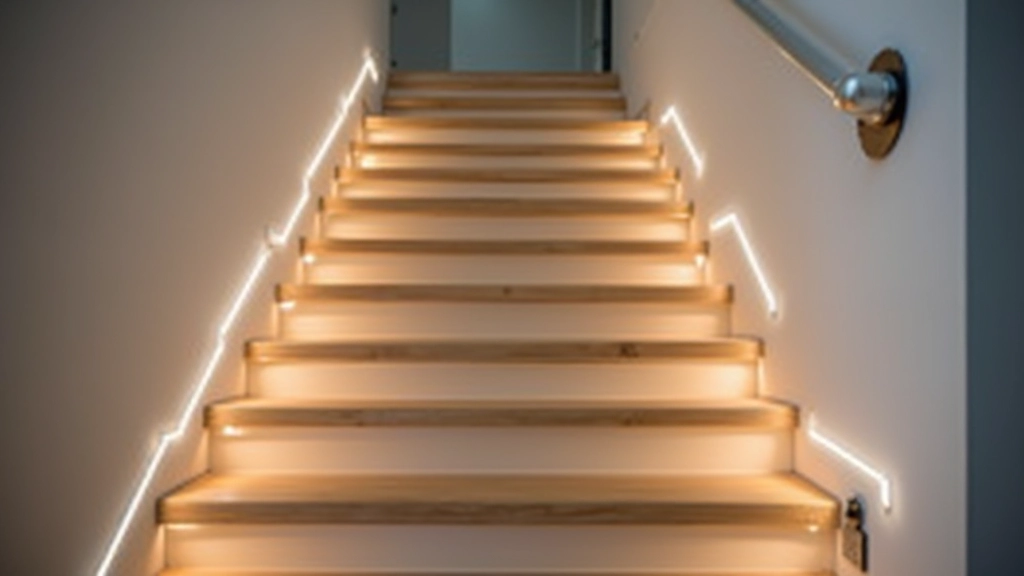
LED strip lights along the edges of steps are becoming popular for good reason. They're inexpensive (around $30-$80 for a basic kit), easy to install, and create clear visual definition between steps. They don't require wiring if you choose battery-operated versions. Wall-mounted sconces every few steps also work well, creating soft pools of light without harsh shadows.
Motion-activated lights are worth considering, especially for nighttime navigation. When someone gets up at 2 AM for water or the bathroom, they don't fumble for a light switch — the stairs illuminate automatically. This is genuinely life-changing for preventing falls in low-light situations.
Aim for 50 foot-candles of light on the stairs themselves — that's bright enough to see clearly without being harsh. Avoid flickering bulbs or overly bright single fixtures that create glare. Warm white (2700K) light is easier on aging eyes than cool blue tones.
Step-by-Step Modifications That Work
Beyond handrails and lighting, several modifications make stairs noticeably safer. These aren't major renovations — they're thoughtful improvements that address real problems.
Nosing Contrast
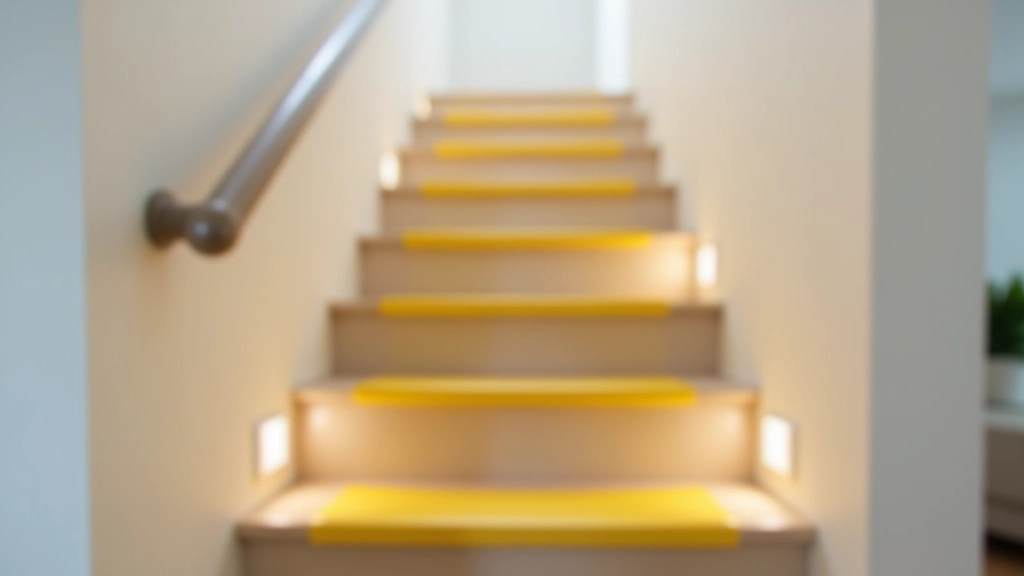
Add high-contrast tape or paint to the edge of each step. A bright yellow or white stripe makes the edge of each step immediately visible, especially important for people with vision changes. Cost: under $20 for a roll of safety tape.
Anti-Slip Treads
Rubber or adhesive treads prevent slipping on wooden or tile stairs. They're especially important at the bottom of the staircase where people tend to shuffle. Replaceable treads (around $40-$80 per set) maintain grip over time as they wear.
Step Uniformity
Uneven steps are a hidden danger. If your stairs have inconsistent riser heights (the vertical distance between steps), that's a fall waiting to happen. Measuring shows whether modification is needed. Sometimes a shim fixes it; sometimes a professional assessment helps.
Landing Space
Clear landings at the top and bottom prevent stumbling when transitioning to and from stairs. Keep these areas free of clutter, throw rugs, and obstacles. A clear 36-inch landing is ideal for safe turning and balance.
Quick Safety Checklist
Use this to evaluate your own stairs or those of someone you're caring for:
Handrails on at least one side (preferably both) that are
graspable and secure
Adequate lighting at all times — switches at both top and
bottom, or motion-activated lights
Step edges clearly visible (contrasting nosing or clear depth
perception)
Non-slip surfaces on all treads, especially where wear is
visible
Consistent step heights — no surprises between stairs
Clear landings without clutter or tripping hazards
No loose carpeting or damaged tread material
"I thought our stairs were fine until Mom took a spill coming down in low light. We added motion-activated lights and a handrail on her side, and suddenly she feels confident using them again. It's amazing what simple changes can do."
— Patricia, daughter and caregiver
Taking the First Step Toward Safety
Stairs don't have to be a source of anxiety. Whether you're planning modifications for your own home or helping a family member stay safer, these changes are straightforward and effective. You don't need to do everything at once — start with what matters most: secure handrails and good lighting. Those two things alone reduce stair-related injuries dramatically.
The investment is minimal compared to the peace of mind and actual safety improvement. A basic handrail installation and LED lighting upgrades might cost $500-$1,200 total, but they prevent falls that could result in hospitalization, physical therapy, and months of reduced independence.
Think of it this way: you wouldn't drive a car without working brakes. Your home's stairs deserve the same attention to safety. These modifications aren't about limitations — they're about freedom. When stairs feel safe, people use them confidently and stay active longer.
Want a Complete Home Safety Plan?
Stairs are just one part of home safety. We've got comprehensive guides on bathroom modifications, emergency planning, and room-by-room checklists.
Explore More Safety ResourcesInformation Disclaimer
This article provides general informational guidance about stair safety modifications. It's not professional installation advice or engineering guidance. Building codes and safety standards vary by location, and individual circumstances differ significantly. For homes with specific structural concerns, significant modifications, or accessibility needs, consult with a qualified contractor, structural engineer, or occupational therapist. If someone has experienced a fall or has mobility concerns, seek evaluation from a healthcare provider. This content is educational and is not a substitute for professional assessment and recommendations.
Related Articles