
Home Modification Checklist: Room by Room
This isn't about making a home feel institutional. It's about thoughtful changes — better lighting, secure furniture, clear paths — that work with your lifestyle.
Why Home Modifications Matter
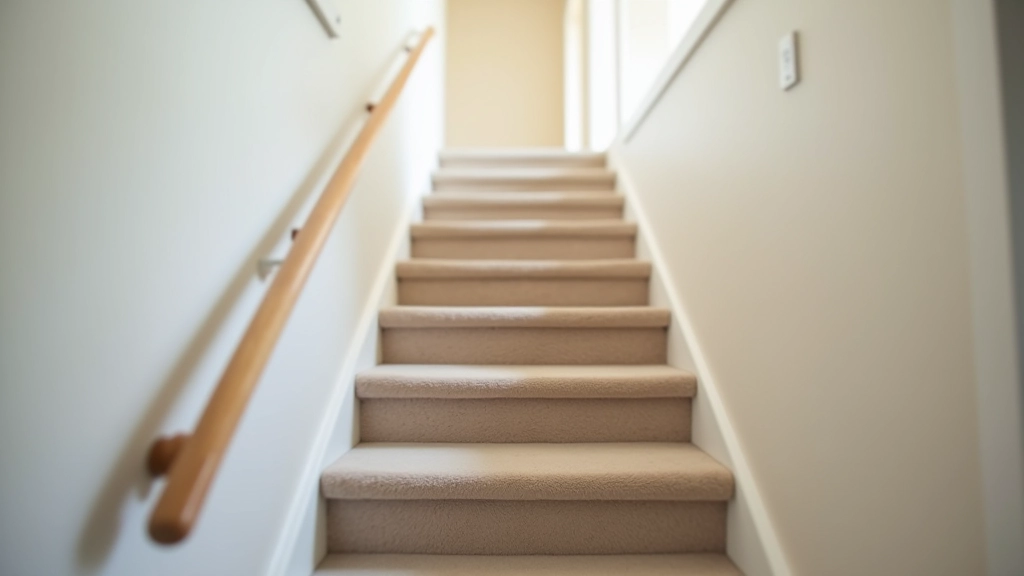
Most falls happen at home — and they're not random accidents. They're the result of hazards that've been there all along. Loose rugs. Dim lighting. Furniture that blocks the path to the bathroom. Stairs without handrails.
The good news? You don't need to renovate. Small, strategic changes make an enormous difference. We're talking about grab bars, better lighting, removing tripping hazards, and securing furniture so it won't shift. These modifications aren't about changing someone's independence — they're about protecting it.
Let's walk through your home room by room and identify what needs attention. You'll use this checklist to prioritize changes based on where risks are highest.
Entryway & Stairs
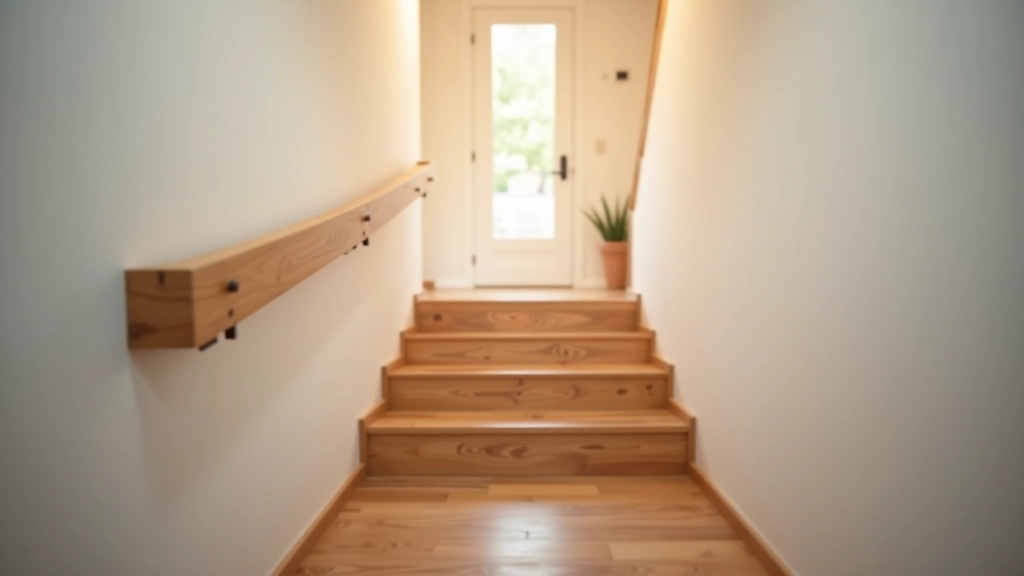
Your entryway sets the tone for safety. This is where most people trip when they're distracted, tired, or carrying groceries. You need good lighting — and we mean really good. Motion-activated lights work well here because they turn on automatically as someone approaches the door.
Bathroom: The Highest-Risk Room
Bathrooms are slippery by nature. Water on tile. Wet skin. Unsteady footing. People are often groggy when they use the bathroom early morning or late at night. This room deserves serious attention.
Grab bars aren't optional here — they're essential. Mount them at the toilet, in the shower, and beside the tub. Use bars rated for 250 pounds minimum, and make sure they're installed into studs or with heavy-duty anchors. Towel racks aren't grab bars and won't support someone's weight.
Bedroom: Nighttime Safety
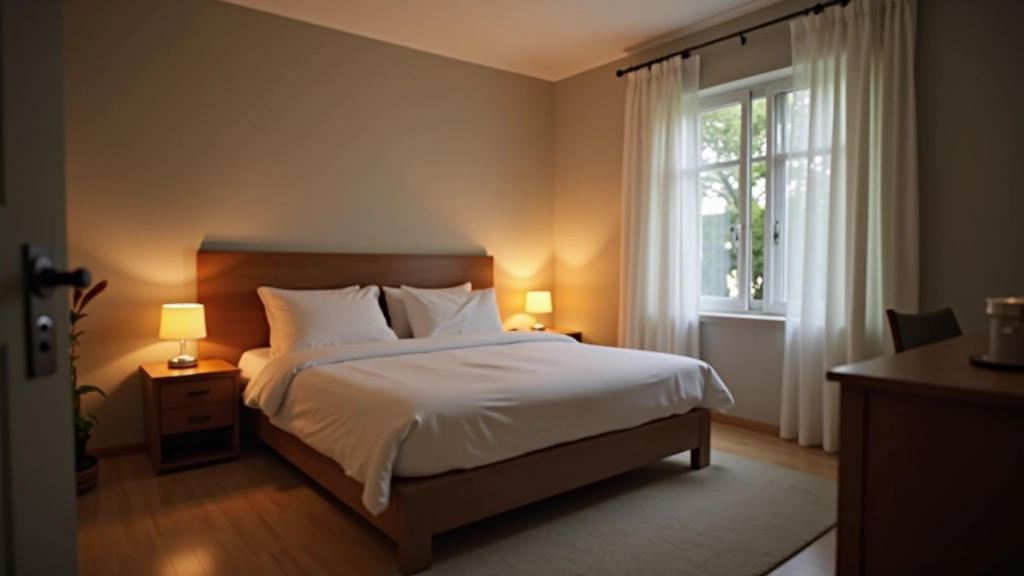
Most bedroom falls happen at night when people get up to use the bathroom or for other reasons. They're disoriented, it's dark, and they move quickly. Your bedroom setup should make that journey safe.
A firm bed at the right height matters more than you'd think. If the bed is too soft or too low, getting up becomes harder and riskier. Aim for a bed height of 18-20 inches — about the height of a standard chair. Add a nightlight or motion-sensor light on the path to the bathroom so the route is always visible.
Kitchen: Organization & Reach
The kitchen is where balance matters most because you're reaching, bending, and carrying things. Items stored too high or too low force awkward positions. You're standing on unstable surfaces to reach cabinets. That's a setup for falls.
Keep everyday items between waist and eye level. Heavy pots, plates, and glasses should be in lower cabinets. Spices and lightweight items can go higher. Remove clutter from counters and floors — dishes, cords, pet bowls. Get rid of throw rugs. Install pull-out shelves or turntables in deep cabinets so you don't have to reach to the back.
Living Areas & Hallways
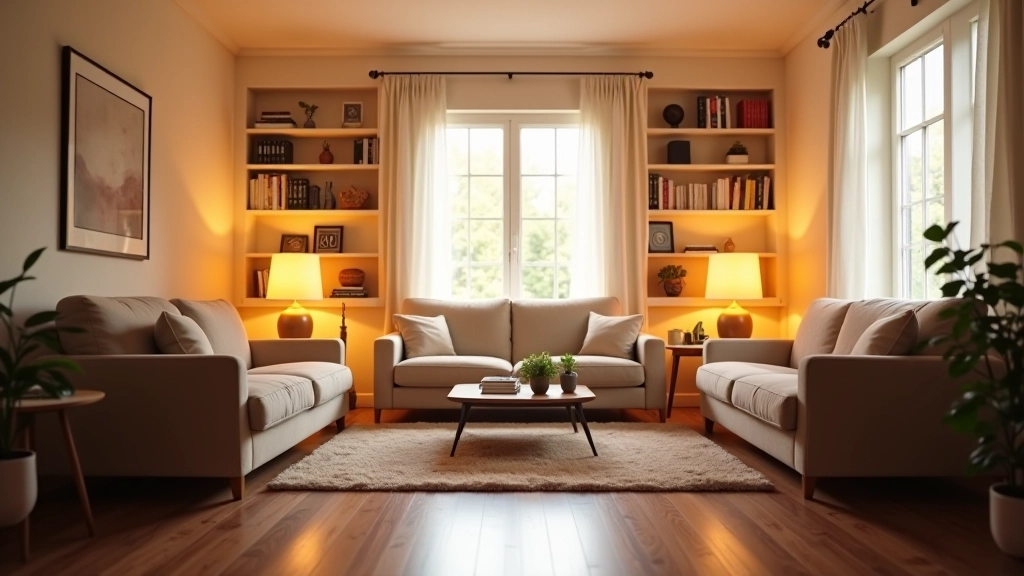
Clear pathways are the foundation of safety. If furniture blocks the natural flow through a room, people will step around it awkwardly. They'll trip on chair legs or trip over objects they didn't see.
Arrange furniture so there's a clear, direct path through each room. Push furniture against walls rather than into the middle of the space. Remove throw rugs entirely or secure them with non-slip backing that won't shift. Secure furniture like bookcases or entertainment stands so they won't tip if someone grabs them for balance.
Getting Started: Prioritize Your Changes
You don't have to do everything at once. Start with the highest-risk areas — the bathroom and stairs. These are where most falls happen, and they're where grab bars and handrails make the biggest difference.
Priority 1 (Do First)
- Bathroom grab bars
- Stair handrails
- Remove throw rugs
- Improve lighting on stairs
Priority 2 (Next)
- Nightlights and motion sensors
- Clear pathways in main areas
- Furniture reorganization
- Better overall lighting
Priority 3 (Ongoing)
- Secure tall furniture
- Organize cabinets
- Check maintenance regularly
- Adjust as needs change
The goal isn't perfection — it's reducing risk where it matters most. You're creating an environment where someone can move confidently without constantly worrying about falling. That peace of mind is worth the effort.
About This Guide
This article provides educational information about home safety modifications. It's based on widely accepted best practices for fall prevention and accessibility. Every home is different, and modifications should be tailored to individual needs and abilities. If someone has specific mobility challenges or health conditions, consult with an occupational therapist or healthcare provider before making major changes. Installation of grab bars, handrails, and other safety features should follow local building codes and be done by qualified professionals when needed.