
Bathroom Safety: Where Most Falls Happen
Bathrooms are slippery and unpredictable. This guide covers grab bar placement, shower modifications, and flooring changes that actually prevent falls.
Read MoreFall prevention starts with knowing what to fix. We've compiled practical guides for caregivers, from bathroom modifications to emergency planning.
Whether you're helping a parent age in place or planning ahead for your own future, these resources cover the real changes that reduce injury risk and build confidence.
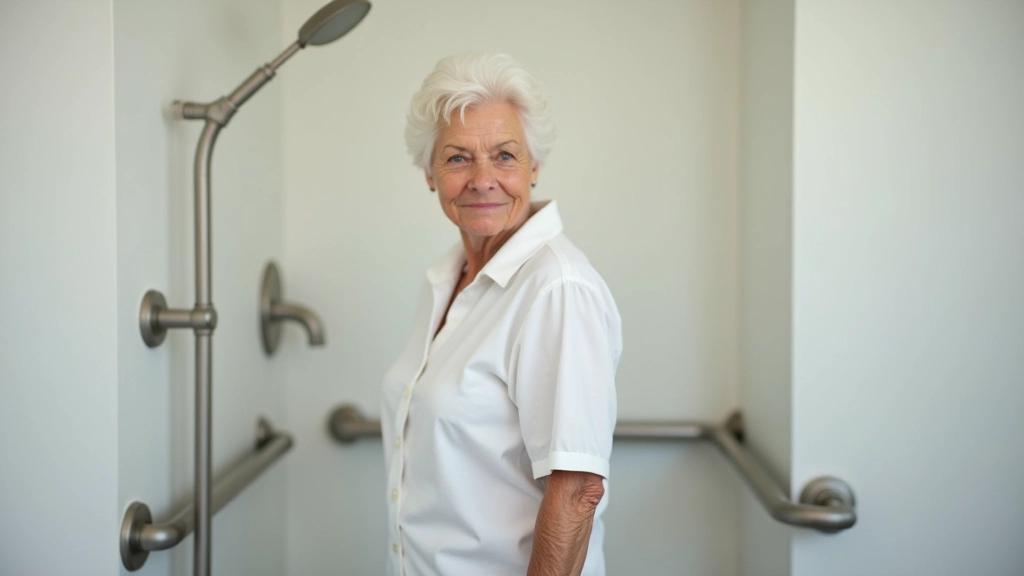
Practical guides and checklists you can start using today
Bathrooms are slippery and unpredictable. This guide covers grab bar placement, shower modifications, and flooring changes that actually prevent falls.
Read More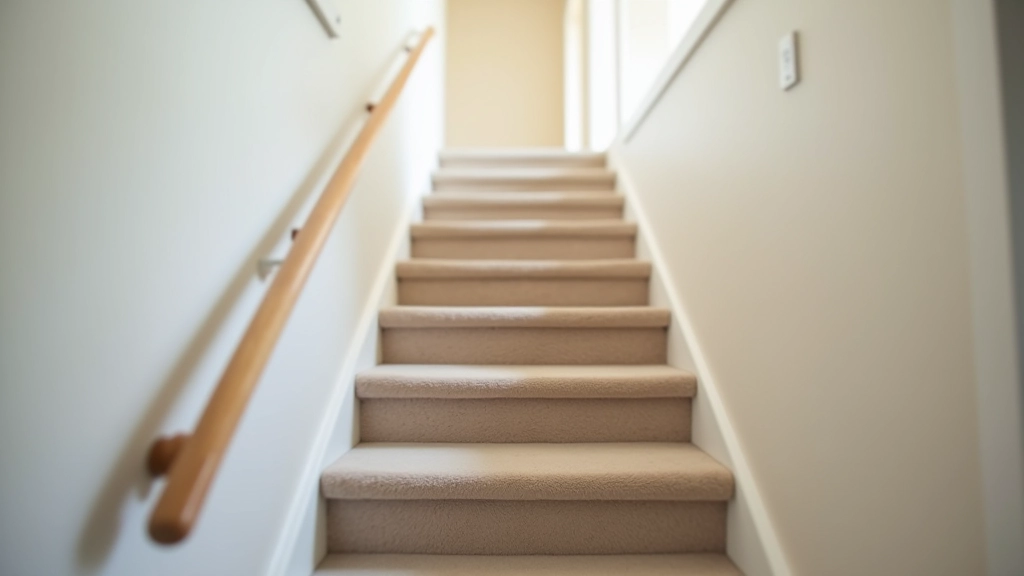
Stairs don't have to be scary. Learn about handrail requirements, lighting improvements, and step modifications that reduce stair-related injuries significantly.
Read More
This isn't about making a home feel institutional. It's about thoughtful changes — better lighting, secure furniture, clear paths — that work with your lifestyle.
Read More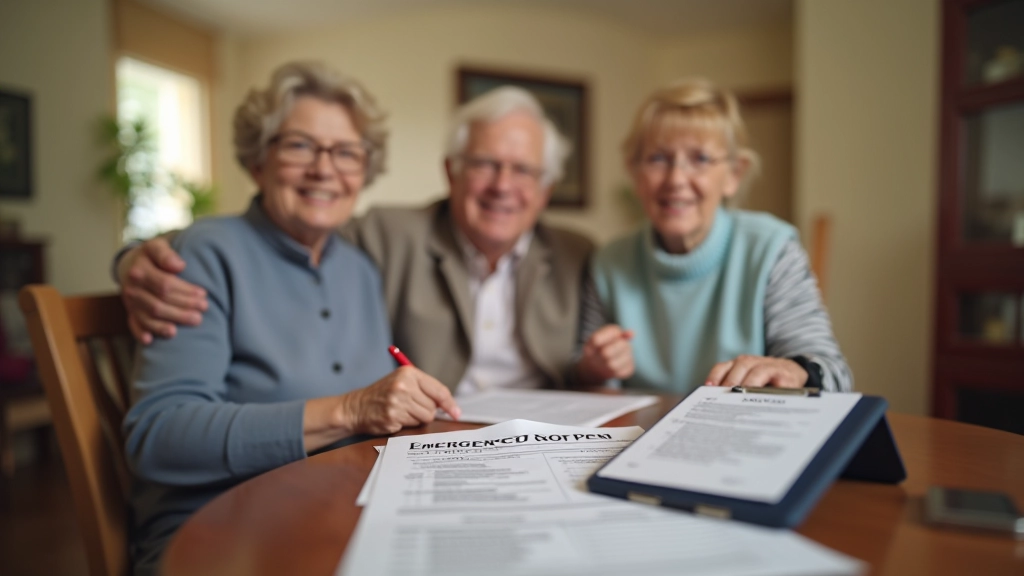
A fall happens — then what? Medical history, emergency contacts, medication lists. We'll walk you through the practical preparations that matter in a crisis.
Read More"Falls aren't just accidents — they're preventable. Most happen in familiar places, doing routine tasks. That's actually good news. It means we know where to look and what to fix."
A serious fall changes everything. Recovery takes months. Physical therapy is exhausting. Independence gets harder. But here's what matters: most falls are preventable. Not through expensive renovations or dramatic changes. Through specific, targeted modifications based on what actually causes falls.
The bathroom is where 80% of falls happen at home. Stairs are second. Poor lighting, loose rugs, and unstable furniture round out the top causes. These aren't surprises — they're predictable hazards you can address systematically.
Caregivers aged 40-60 are often managing parents, their own health, and work simultaneously. You don't have time for complicated solutions. That's why these guides focus on the changes that matter most — the ones with real impact on safety and confidence.
Walk through your home and check these items. This takes 5 minutes and reveals the biggest hazards.
Look for wet floors, no grab bars, poor lighting, slippery tub or shower surfaces. This is where most falls start.
Check for handrails on both sides, adequate lighting at top and bottom, secure carpet or non-slip surface, clear visibility of each step.
Loose rugs, clutter, cables, or furniture blocking clear paths are easy fixes that prevent most living room falls.
Hallways, stairs, and bedrooms need good lighting. Night lights help. Poor visibility is a major fall risk you can solve quickly.
Know medication list, allergies, emergency contacts, and where medical records are kept. Not glamorous, but essential when something happens.