
Bathroom Safety: Where Most Falls Happen
Bathrooms are slippery and unpredictable. This guide covers grab bar placement, shower modifications, and flooring changes that actually prevent falls.
12 min read
•
All Levels
•
March 2026
Why Bathrooms Are the Fall Zone
Falls happen fast. One moment you're stepping out of the shower, the next you're on the floor wondering what went wrong. It's not about being clumsy — bathrooms are genuinely dangerous spaces. Wet floors, hard surfaces, and no handholds combine to create the perfect storm. Statistics show bathroom falls account for over 80% of unintentional injuries in the home for older adults. That's not a small number.
The good news? Most bathroom falls are preventable. You don't need to renovate the entire bathroom. Strategic grab bar placement, better flooring, improved lighting, and simple modifications can cut fall risk dramatically. We're talking about practical changes that make sense and don't make the space feel institutional.
Grab Bars: Location Matters More Than You'd Think
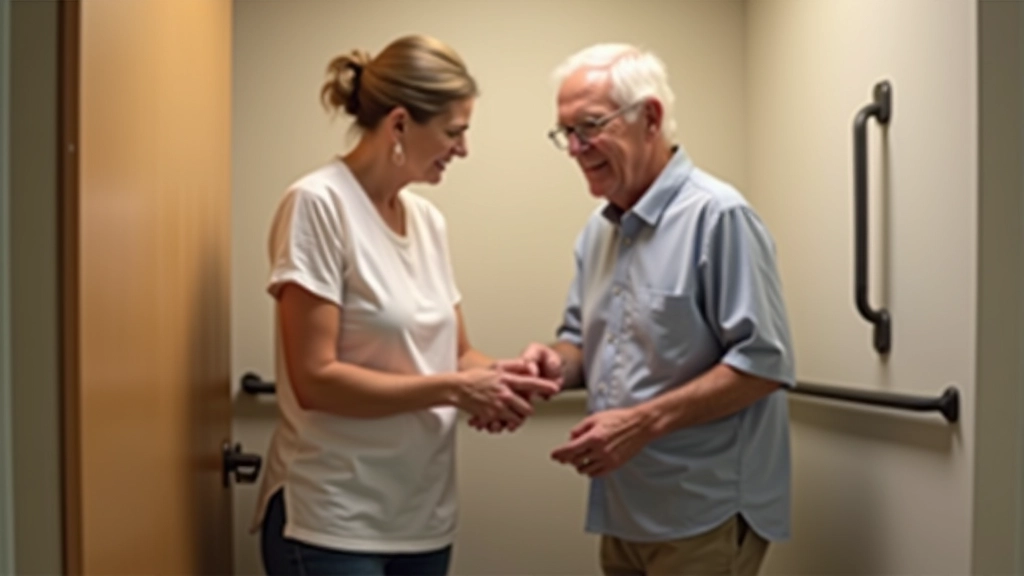
Not all grab bars are created equal. Placement is everything. A grab bar in the wrong spot won't help when you actually need it. We're talking about installing bars where people naturally reach when they're losing balance.
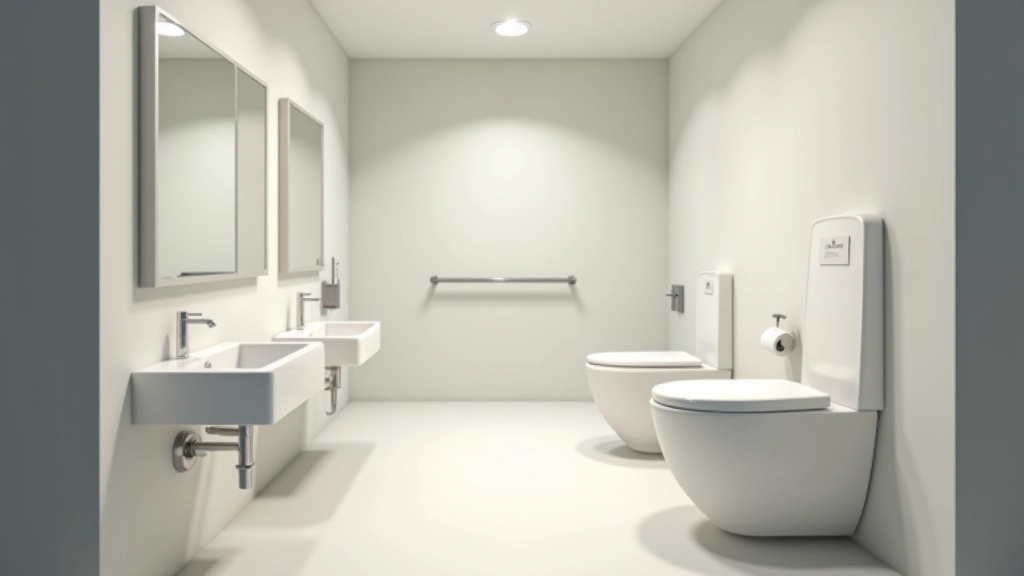
Here's what actually works: vertical bars beside the toilet (one on each side, about 12 inches from the wall), horizontal bars in the shower or tub area (at elbow height, roughly 33-36 inches up), and bars near the sink for support while washing hands or brushing teeth. These aren't decorative. They're strategically placed at heights where someone instinctively grabs when they slip.
The bars themselves matter too. Look for 1.25-inch diameter bars with 1.5 inches of clearance from the wall. That's enough space for a full hand grip. Stainless steel or powder-coated steel work best — they don't corrode and provide consistent grip even when wet. Installation requires drilling into studs, not just drywall. A loose bar is worse than no bar.
Flooring: Slip-Resistance Is Non-Negotiable
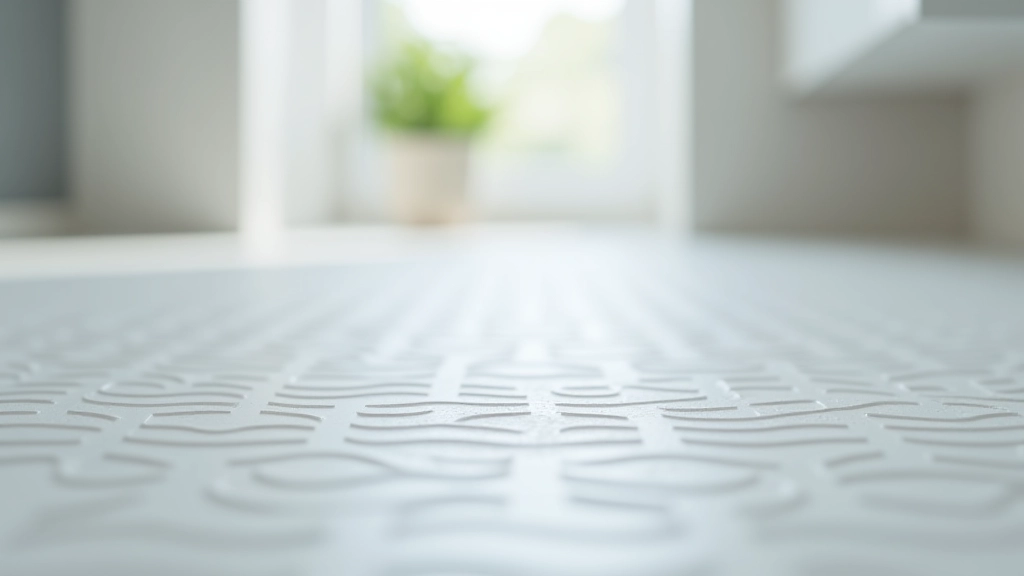
Wet tile is a skating rink. That's not an exaggeration. Smooth ceramic or marble might look elegant, but it becomes dangerously slippery the moment water touches it. The solution isn't complicated — you need textured flooring with real grip.
Anti-slip bathroom flooring comes in several options. Textured tiles with raised patterns provide mechanical grip. Rubber or vinyl flooring with embossed patterns works well. Some people apply adhesive-backed non-slip strips to existing tile — not ideal long-term, but it's temporary and effective. For a permanent fix, consider replacing tile with slip-resistant alternatives. Look for flooring rated for wet areas with a coefficient of friction of at least 0.5.
Don't overlook the transition from tub to floor. That edge is a trip hazard. A beveled threshold or a small ramp makes the difference between a safe step and a twisted ankle.
Shower & Tub: Create a Stable Environment
The shower is where most bathroom falls occur. Water's running, the surface is slippery, and balance is compromised. This is the place that needs the most attention.
Beyond grab bars, consider a shower chair or bench. Not everyone needs one, but they're invaluable for people with arthritis, balance issues, or limited strength. You're not sitting for the entire shower — just enough to reduce the need to stand on one leg while washing. A quality shower chair has rubber feet and is designed to handle wet conditions.
A handheld showerhead makes showering easier and safer. You can control water direction without contorting yourself. Mount it low enough that people don't have to reach overhead, which throws off balance. For tub bathing, a transfer bench bridges the gap between bathroom floor and tub, giving multiple points to hold onto while getting in and out.
Finally, make sure the shower floor is textured. A combination of grab bars, textured flooring, and good lighting transforms a risky space into a manageable one.
Lighting: See What You're Doing
Dark bathrooms breed accidents. You can't see wet spots, grab bars aren't visible when you need them, and shadows create tripping hazards. Proper lighting transforms the space from risky to safe.
Overhead lighting should be bright enough that you're not squinting. Aim for at least 50 foot-candles (about 540 lux) in the main bathroom area. Vanity lighting over the sink prevents shadows. Some people add a nightlight near the toilet — gentle enough not to disturb sleep, but bright enough to navigate safely during nighttime bathroom trips. Motion-activated lights work well if someone's getting up in the dark.
The grab bars themselves should be visible. Some people paint them a contrasting color to the wall — makes them stand out visually so you know exactly where they are when you need them fast.
Bathroom Safety Checklist
Run through this list to identify gaps in your bathroom setup. You don't need everything immediately — prioritize based on actual risk factors.
Grab Bars Installed
At toilet, tub/shower, and near sink. Minimum 12 inches from wall, secured into studs.
Slip-Resistant Flooring
Textured tiles, rubber, or vinyl throughout. Especially critical in shower and tub area.
Adequate Lighting
Bright overhead lighting, vanity lights, and nightlight option. At least 50 foot-candles main area.
Shower Setup
Shower chair or bench, handheld showerhead, textured shower floor. Transfer bench for tubs if needed.
Clear Pathways
Remove rugs and mats that can bunch or shift. Keep bathroom clutter-free for movement.
Door & Handle Safety
Doors open outward (not into bathroom). Handles are easy to grip. No locking doors that trap someone inside.
Start With What Matters Most
You don't need to do everything at once. Start with grab bars — they're the single biggest factor in fall prevention. Then address flooring and lighting. These three changes handle 90% of bathroom fall risk. The shower chair, handheld showerhead, and other accessories come next as circumstances warrant.
Installation isn't complicated. Most grab bars take an afternoon to install if you're handy. Flooring and lighting might require professional help — that's fine. The investment pays for itself by preventing one serious fall. A broken hip isn't just painful — it's life-changing. Prevention is worth the effort.
Talk to the person who uses the bathroom most. They'll tell you what feels unstable. Listen to that feedback and address those specific areas. Bathroom safety isn't one-size-fits-all. It's about understanding actual risk and making targeted changes that work for your space and situation.
Disclaimer
This guide provides educational information about bathroom safety modifications and fall prevention strategies. It's not a substitute for professional assessment or medical advice. Circumstances vary greatly depending on individual mobility, health conditions, and home layout. Consult with an occupational therapist, physical therapist, or medical professional before making significant modifications. Installation of grab bars and structural changes should be performed by qualified professionals to ensure proper safety and building code compliance. Always follow manufacturer instructions for any equipment or modifications you implement.
Related Articles

Home Modification Checklist: Room by Room
This isn't about making a home feel institutional. It's about thoughtful changes that improve safety across bedrooms, kitchens, and living areas.
Read More
Emergency Planning for Caregivers: What to Have Ready
A fall happens — then what? Medical history, emergency contacts, medication lists, and response procedures that matter when seconds count.
Read More