Emergency Planning for Caregivers: What to Have Ready
A fall happens — then what? Medical history, emergency contacts, medication lists. We'll walk you through the practical preparations that matter in a crisis.
Why This Matters Right Now
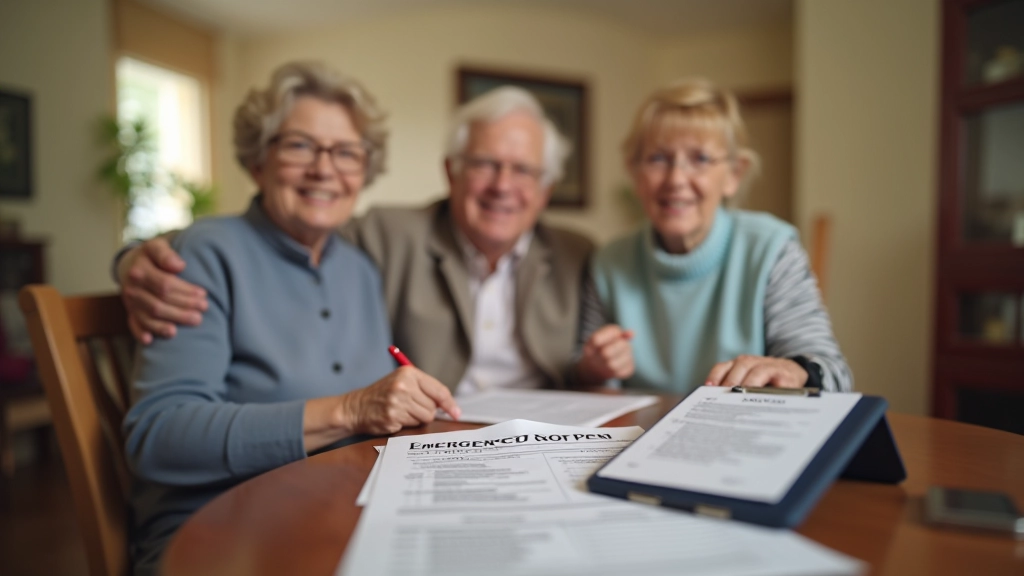
You're caring for someone you love. You're thinking about falls, mobility, safety at home. That's smart. But when an accident happens — and statistically, it will — you need to be ready with information, not panic.
The difference between a managed emergency and a chaotic one often comes down to preparation. You'll need your loved one's medical history at your fingertips. Emergency contacts should be organized. Medications documented. It's not glamorous work, but it's the foundation everything else sits on.
The Reality
One in four Americans aged 65+ experiences a fall each year. Most happen at home. Most are preventable with proper planning and quick access to the right information when it counts.
The Essential Documents You Need
Start here. These five documents form your emergency foundation. You don't need everything at once — build this over the next week or two.
Medical History Sheet
Current conditions, past surgeries, allergies, blood type. This is the first thing paramedics or emergency room staff will ask for. Print it. Laminate it. Keep one at home and one in your wallet.
Current Medication List
Include every prescription and over-the-counter medication with dosages. Update this every time something changes. Three months old information could cause real problems in an emergency.
Emergency Contact List
Primary doctor, specialist contacts, nearest hospital, family members, trusted neighbors. Include phone numbers AND addresses. When you're stressed, you won't remember phone numbers from memory.
Insurance Information
Policy numbers, group numbers, coverage details. Hospitals need this information within hours. Don't scramble for insurance cards in the middle of a crisis.
Legal Documents
Power of attorney, advance directives, healthcare proxy. These documents tell doctors what your loved one wants if they can't communicate. It's hard to think about, but it's essential.
Where to Keep This Information
Having documents is half the battle. Knowing where they are when you need them is everything.
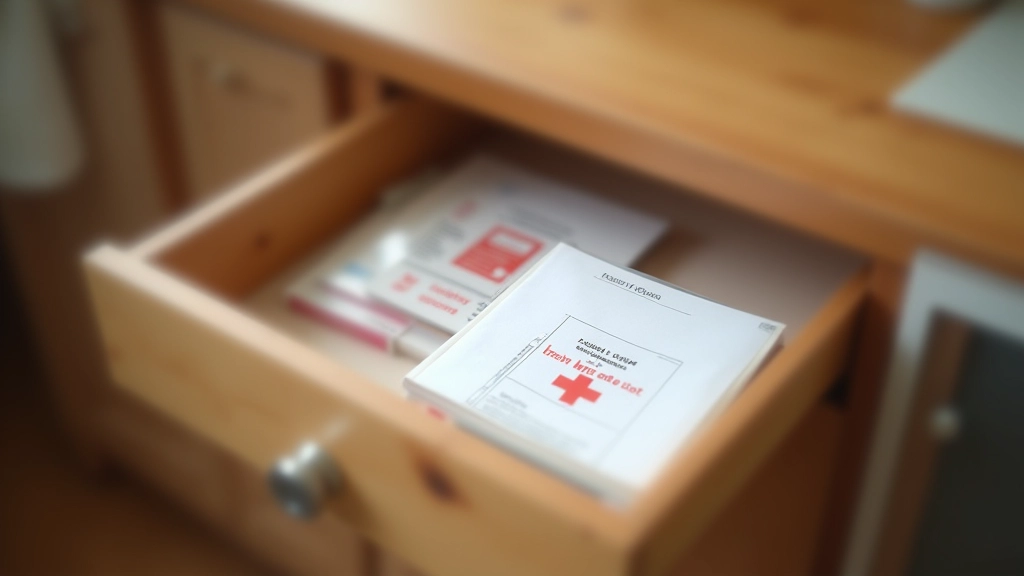
Primary Location: Kitchen Drawer
Most people spend time in the kitchen. A clearly labeled drawer or folder works well. Make sure it's accessible but not in the way. Include a printed list of where other important documents live.
Backup: Bedroom Nightstand
If a fall happens at night, you'll need information nearby. A simple folder in the nightstand drawer takes 30 seconds to access. Don't overthink this — accessibility matters more than perfection.
In Your Wallet or Purse
A laminated card with the most critical information (blood type, allergies, main medications, emergency contact). This travels with you. It's your backup when you're not at home.
Digital Backup
Scan everything and store in a secure cloud service. Add a note on the refrigerator with login information (or the password location). Digital copies protect against house fires and give you access anywhere.
Building Your Contact System
When an emergency happens, you'll call 911. Then you'll need to contact your loved one's doctor, family members, and possibly an employer. Here's how to organize this so you're not searching for numbers while stressed.
Start with a Simple Format
Create a one-page contact sheet. Yes, just one page. At the top: primary emergency contact (usually you). Below that: the person you're caring for's primary doctor. Then specialists, hospitals, family, neighbors who have a key to the home. Include relationship to your loved one so 911 dispatchers understand who they're calling.
Phone Numbers Matter More Than You Think
In a crisis, you'll panic. You won't remember phone numbers. Write them down. Include doctor's office numbers AND after-hours numbers. Hospital main numbers AND emergency departments. If you only have cell phone numbers for family, add one backup landline per person if possible.
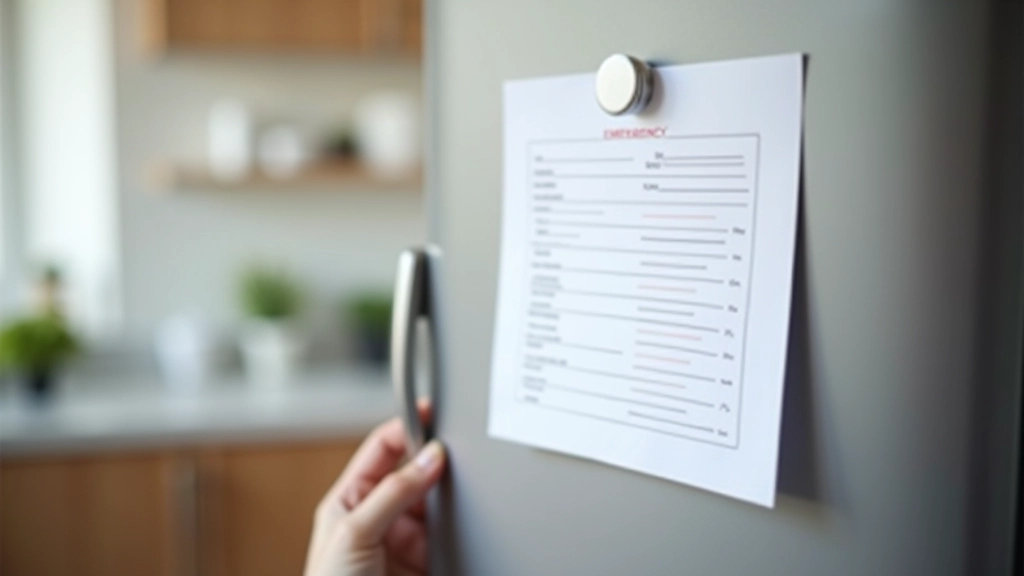
Pro tip: Tape a laminated contact sheet to the refrigerator AND the inside of the medicine cabinet. People look there first when there's a problem.
Physical Preparations Matter Too
Documentation is step one. But the home environment itself needs attention. You can't prevent every fall, but you can reduce the severity when they happen.
Accessible Phone
Keep a cordless phone or mobile phone within arm's reach. After a fall, mobility is limited. A phone on the nightstand or in every room can mean the difference between immediate help and hours on the floor.
Night Lighting
Falls at night are common. Motion-sensor lights in hallways, bathrooms, and bedrooms create safer pathways. They're inexpensive and don't require permanent installation.
Grab Bars Installed
Bathrooms are where most falls happen. Grab bars near the toilet, in the shower, and along the tub aren't just helpful — they're essential. They should be securely fastened to wall studs, not drywall alone.
First Aid Kit Ready
Keep a well-stocked first aid kit accessible. Include bandages, antiseptic, pain relievers, and an ice pack. For minor injuries, you can manage them at home. For serious injuries, you'll have supplies while waiting for help.
Remove Tripping Hazards
Loose rugs, cluttered pathways, and poor cable management create unnecessary risks. Walk through your home from your loved one's perspective. What could trip you?
Medical Alert System
For elderly people living alone or those with balance issues, a medical alert device provides peace of mind. They're affordable now and don't require landlines.
When a Fall Actually Happens
All this planning is for this moment. When it comes, you'll be glad you prepared. Here's what actually happens and what you should do.
Call 911 Immediately
Don't wait. Don't assess the injury yourself. If your loved one is on the ground and can't get up, that's a 911 call. Paramedics are trained for this. They won't judge you for calling early.
Retrieve Your Documents
While waiting for paramedics, grab your emergency folder. Have it ready. The paramedics' first questions will be about medical history, medications, and allergies. You'll have the answers.
Meet Paramedics at the Door
Unlock the front door if possible. Be ready to provide your emergency documents. Tell them the most critical information first: allergies, blood type, recent surgeries, current medications. Don't assume they can access your documents quickly.
Go to the Hospital
Bring your documents folder, insurance card, and any legal paperwork. Hospitals will ask the same questions paramedics did. You're not repeating yourself — they need to document everything independently. Stay close to your loved one through intake.
Follow Up After Care
Once your loved one is stable, ask about discharge plans, physical therapy, follow-up appointments, and any medication changes. Update your emergency documents with this new information. This becomes the baseline for next time.
You're More Prepared Than You Think
This feels like a lot of work. It's not. You can build your emergency system in one afternoon. Medical history sheet? An hour. Contact list? 30 minutes. Insurance and legal documents? You probably already have them — just need to organize them.
The real value isn't in the documents themselves. It's in the peace of mind. You know that if something happens, you're not scrambling. You're not panicking about where to find information. You're focused on your loved one, where your attention belongs.
"The best emergency plan is the one you've already created before the emergency happens. Preparation doesn't prevent crises — it transforms how you respond to them."
Start this week. Even if you only complete the medical history sheet and emergency contact list, you're ahead of most people. Add the rest gradually. The documents will evolve as your loved one's needs change. That's okay. This isn't a one-time project — it's an ongoing part of caregiving.
Next: Home Modification Checklist →Disclaimer
This article provides educational information about emergency preparedness for caregivers. It's not medical advice, legal advice, or a substitute for professional consultation. Every person's situation is unique — your loved one's specific needs may differ from general guidance provided here. Always consult with healthcare providers, legal professionals, and emergency management experts for personalized recommendations. In case of actual emergency, always call 911 or your local emergency number. This information is current as of March 2026 and subject to change based on updated guidelines and regulations.